Capturing Calm: The Enduring Appeal of Light Blue Watercolor Backgrounds
In the crowded digital landscape, where sharp edges and high-contrast visuals often dominate, there is a distinct power in softness. Light blue watercolor backgrounds offer a specific type of aesthetic relief—a blend of organic texture and cool, calming color that speaks to clarity, creativity, and tranquility. For designers, marketers, and brand strategists, this isn't just a decorative choice; it's a strategic tool for shaping perception and guiding the viewer's eye. These assets provide a foundation that feels both timeless and contemporary, capable of elevating a wide range of projects from personal crafts to commercial campaigns.
Visual Personality and Core Appeal
What defines the character of these backgrounds? First, consider the medium. Watercolor is inherently organic. Its beauty lies in its imperfections: the subtle bleeds where pigment meets water, the gentle gradients of saturation, and the delicate, often unpredictable texture of the paper it soaks into. When rendered in light blue, these characteristics evoke a sense of openness and calm. Think of a clear sky, a serene lake, or the clean simplicity of a spa environment. The color blue is psychologically associated with trust, stability, and professionalism, while the watercolor technique softens that formality, adding a layer of approachability and artistic warmth.
The "light" aspect is crucial. It ensures the background remains subtle, providing visual interest without overwhelming foreground content. It acts as a supportive stage rather than a competing actor. This makes light blue watercolor backgrounds exceptionally versatile. They can feel corporate and clean for a financial consultant's presentation, or soft and dreamy for a wedding invitation. The visual personality is one of quiet confidence—it enhances without shouting, making it a foundational element in a designer's toolkit of premium fonts and design assets.
Strategic Applications Across Mediums
The true value of any design asset is measured by its utility. Light blue watercolor backgrounds excel across a surprising range of applications, each leveraging their unique properties to solve specific design challenges.
In brand identity and logo design, these backgrounds can establish a brand's tone from the first glance. A wellness coach, a boutique hotel, a children's book author, or a sustainable product line might use such a background on their website header or business card to immediately communicate a sense of peace, trust, and artisanal quality. Paired with a clean sans serif font or an elegant serif font, the background grounds the typography, creating a balanced and memorable mark.
For editorial design and packaging design, the application is equally potent. Imagine a cookbook cover where the light blue watercolor wash suggests freshness and clean eating. Consider the layout of a magazine feature on mindfulness or travel—the background can frame pull quotes and images, guiding the reader's flow through the content. In packaging, it can transform a simple product box or label into something that feels crafted and premium, particularly for cosmetics, artisanal foods, or stationery.
Web design and social media graphics benefit immensely from the texture and depth these backgrounds provide. A flat, solid color website can feel sterile; a light blue watercolor background adds dimension and visual interest that improves user experience and time-on-page. For social media, these backgrounds are gold. They make quote graphics, promotional posts, and Instagram Stories stand out in a fast-scrolling feed. The texture ensures graphics look polished and intentional, even when created quickly, which is vital for entrepreneurs and content creators maintaining a consistent online presence.
Practical Guidance for Selection and Use
Knowing where to use these backgrounds is one thing; selecting and implementing them effectively is another. Here’s how to approach it with a professional mindset.
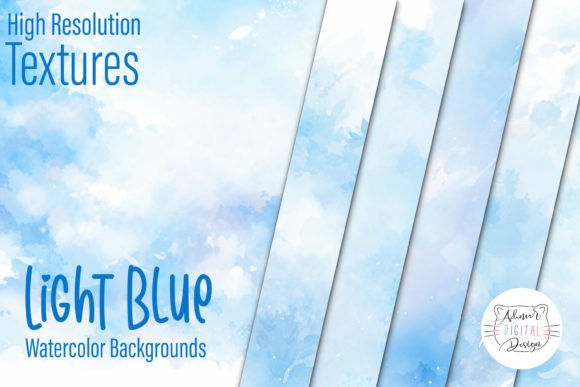
Evaluate the Texture and Resolution. Not all watercolor textures are created equal. Some are heavily textured and granular, best for bold, artistic statements. Others are smoother with gentle washes, ideal for professional contexts where legibility is paramount. The included set offers six distinct variations, all at 300 DPI—this high resolution is non-negotiable for print projects, ensuring crisp output on everything from business cards to large posters. Always preview the background at the size you intend to use it.
Master the Art of Layering. The primary function of a background is to support content. Test your chosen background with your primary typeface. Does the text remain clear and readable? If the watercolor texture is too busy, consider placing a semi-transparent white or light gray shape behind your text blocks. This creates a clean "text box" while allowing the beautiful texture to peek through around the edges. This technique is essential for maintaining a professional visual hierarchy.
Consider the Pairing. A light blue watercolor background has a distinct personality. Your font pairing should complement it, not fight it. A highly ornate script font might become illegible against a detailed texture. Often, a clean, modern sans serif font provides the perfect counterbalance, offering clarity and a contemporary feel. Alternatively, a classic, well-spaced serif font can enhance a more traditional or elegant aesthetic. The goal is to create harmony between the organic background and the structured typography.
Respect the Licensing. These assets are provided for your creative projects. Always review the specific licensing terms. Typically, such assets allow for both personal and commercial use in end products like designs, prints, and digital files, but prohibit direct resale of the raw asset itself. This ensures you can confidently use them in client work, on products for sale, and across your own marketing channels.
Ultimately, light blue watercolor backgrounds are more than just pretty pictures. They are versatile design assets