Elevate Your Visuals with Dark Pink Gradient Backgrounds
There’s a certain magnetism to a well-executed gradient. It’s not just a color; it’s a mood, a movement, a subtle narrative woven into the fabric of a design. Among the spectrum, dark pink gradient backgrounds hold a unique power. They blend the warmth and approachability of pink with the depth and sophistication of darker tones, creating a visual texture that feels both luxurious and contemporary. This isn't the bright pink of a child's toy; it's the muted, rich hue of a velvet curtain at dusk or the final blush of a sunset. It’s a design asset that commands attention without shouting, making it a versatile tool for creators across industries.
The Anatomy of a Compelling Gradient Texture
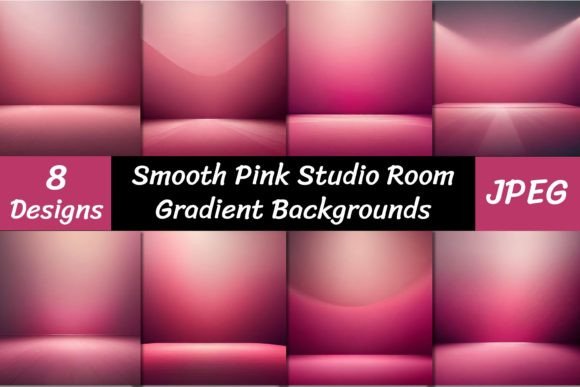
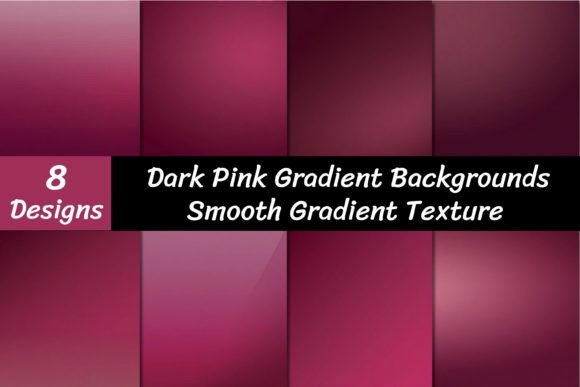
Understanding what makes these specific dark pink gradient backgrounds effective is key to using them well. The included collection isn't just a flat color; it's a smooth gradient texture. This means you get the depth of a color transition combined with the tactile quality of a subtle texture, preventing the background from feeling sterile or overly digital. Each of the 8 digital papers is a 3600 x 3600 pixel file at 300 DPI, ensuring crisp clarity for everything from large-format prints to high-resolution social media posts. The seamless nature of the design allows for tiling, making it perfect for web backgrounds or wrapping paper.
The personality of this palette is multifaceted. It can feel romantic and elegant, making it ideal for wedding invitations or boutique branding. Simultaneously, its depth lends a modern, edgy vibe suitable for tech startups or music event posters. It’s a creative font for the background world—flexible enough to set a feminine tone or a powerful, gender-neutral one depending on the context and typography paired with it.
Practical Applications Across Creative Projects
Where do these dark pink gradient backgrounds truly shine? Their utility is broad, impacting brand perception, readability, and audience engagement in tangible ways.
For brand identity and logo design, a textured gradient can become a signature element. Imagine a logo for a skincare line or a luxury candle brand set against this backdrop; it instantly communicates quality and sensory appeal. In packaging design, the texture adds a premium feel that flat colors cannot match, enhancing the unboxing experience.
In the digital realm, the applications are endless. As a web design hero section background, it creates an immersive first impression. For social media graphics, particularly on platforms like Instagram and Pinterest, the gradient grabs the eye in a crowded feed, increasing stop-scroll engagement. It’s also perfect for creating consistent, branded content templates, ensuring your brand identity remains cohesive across every post.
Beyond digital, think about editorial design. A magazine spread or a blog header using this gradient feels instantly more curated and professional. For crafters and hobbyists, these files are a dream for digital scrapbooking, printable art, or custom stationery. The high resolution means they translate beautifully to physical products like posters, art prints, or notebook covers.
Integrating Gradients with Typography and Layout
A background is only as good as the content it supports. The key to success with dark pink gradient backgrounds lies in thoughtful pairing and layout. The dark, rich tones create excellent contrast for lighter text. A crisp white or off-white sans serif font will pop with exceptional readability, making it a safe and effective choice for body copy or headlines. For a more dramatic, high-fashion look, consider pairing it with a sleek serif font in a light gray or cream.
Don’t shy away from font pairing. Combine a bold, modern display font for headlines with a clean sans serif font for supporting text. The gradient will unify them. For projects requiring a personal touch, like wedding invitations or thank-you cards, a delicate script font or handwritten font can add intimacy, but test its legibility against the textured background carefully.
The gradient also influences visual hierarchy. It can naturally guide the viewer’s eye. Place your most important text or a call-to-action button in the area of the gradient with the highest contrast—often the lighter or darker extreme. Use the mid-tones for less critical information. This subtle guidance improves user experience and engagement.
Making the Most of Your Design Assets
When you buy/download a resource like this, you’re investing in efficiency and quality. Here’s how to evaluate and implement it effectively:
- Evaluate Project Fit: Does the mood of the gradient align with your brand’s voice? For a financial app, it might be too soft. For a floral designer, it’s perfect.
- Test Font Pairings Early: Before committing, mock up your text on the background. Check contrast and legibility at different sizes, especially for body copy.
- Review the Included Styles: The 8 papers offer variety. Some might have a more pronounced texture, others a smoother transition. Choose the one that best suits your specific need—whether it’s for a busy layout or a minimalist design.
- Understand the Files: Remember, the download is a zipped file. Ensure you have software like WinZip or WinRAR to extract the high-quality JPEGs before you begin.
- Consider Commercial Use: Always review the licensing. A quality asset like this is typically licensed for commercial projects, but confirming gives you peace of mind for client work or products for sale.
In the end, dark pink gradient backgrounds are more than just a pretty backdrop. They are a strategic design asset that can elevate a project from ordinary to memorable. By understanding their visual characteristics and applying them with intention, you can harness their warmth, depth, and sophistication to create designs that truly resonate with your audience. It’s a simple change that can redefine the professionalism and emotional impact of your work.