Oil Paint Texture Wall Art Backgrounds: Elevate Your Designs
There's a certain depth to traditional art that digital files often struggle to replicate. The thick, impasto strokes of an oil painting, the subtle cracking of aged canvas, the way light catches on a textured surface—these are the details that give a piece soul. This is precisely the feeling captured in these Oil Paint Texture Wall Art Backgrounds. You're not just downloading a pattern; you're acquiring a piece of digital artistry. This set provides a foundational design asset, offering a rich, tactile aesthetic that can transform a flat digital project into something with genuine presence and warmth.
The Visual Character: More Than Just a Background
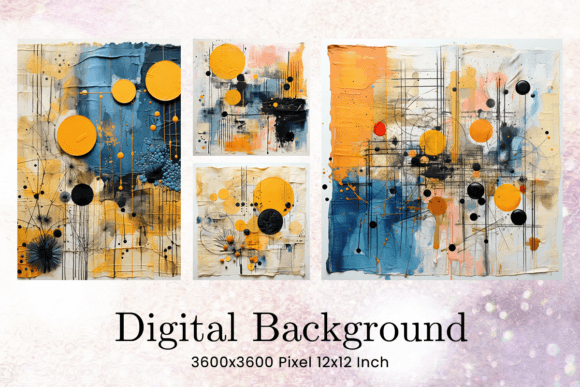
At first glance, you'll notice the pronounced brushwork. These aren't uniform, machine-made textures. They mimic the dynamic, hand-painted quality of an artist's palette knife or a loaded brush dragged across a surface. The textures feature visible ridges, valleys, and color blending that feel organic and authentic. The color palettes are likely curated to offer versatility—think moody, dark neutrals for sophistication, vibrant abstract blends for energy, or soft, muted tones for a calming effect. This inherent personality makes them a creative font of sorts for your visual projects, setting a mood before a single word is read.
The appeal lies in their ability to act as a powerful yet unobtrusive foundation. Unlike a busy photograph or a complex illustration, a well-chosen oil paint texture supports your primary content. It adds visual interest and a premium feel without overwhelming your typography, logos, or product images. It’s a subtle form of modern typography in the background, where the "type" is the texture itself, speaking a language of craftsmanship and artistic integrity.
Practical Applications: Where Texture Creates Impact
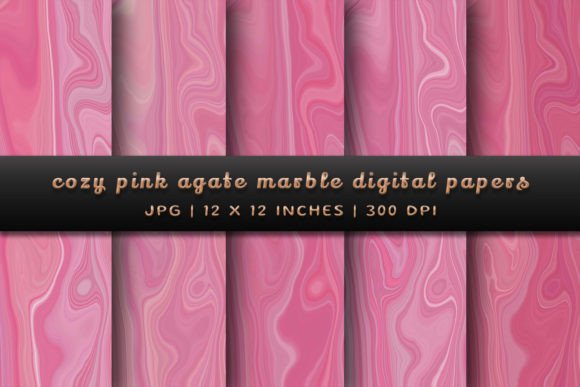
The true value of a digital asset is measured by its utility. These high-resolution Oil Paint Texture Wall Art Backgrounds are designed for immediate integration into a wide array of professional and personal projects. Their 12"x12" size and 300 DPI quality make them suitable for both digital and print applications, a critical feature for any serious design asset.
For the Brand Strategist and Entrepreneur
Building a brand identity is about crafting a consistent feeling. These textures can become a cornerstone of your visual language. Use them as website backgrounds to instantly convey quality and creativity. They are exceptional for social media graphics, making quote cards, promotional posts, and story backgrounds stand out in a crowded feed. For packaging design, a textured background can elevate a product from generic to artisanal. Imagine a coffee bag label, a candle wrapper, or a boutique skincare box set against one of these rich surfaces—it immediately suggests a handcrafted, premium product.
For the Designer and Publisher
In editorial design, texture is a powerful tool for establishing hierarchy and mood. These backgrounds can set the tone for a magazine cover, a chapter title page, or a featured article spread. They work beautifully in logo design as a subtle overlay within letterforms or as a backing shape, giving your mark a unique, artistic flair. For web designers, they provide a sophisticated alternative to flat color blocks, adding depth to hero sections or sidebar widgets. When considering font pairing, a textured background often pairs best with clean, sans serif font choices for body copy, ensuring maximum readability against the visual complexity.
For the Crafter and Hobbyist
This is where the "printable" aspect shines. Print these sheets on high-quality cardstock to create your own scrapbook paper, journal covers, or handmade greeting cards. The texture adds a level of detail that store-bought paper often lacks. Use them to create stunning, custom wrapping paper for gifts, turning the presentation into part of the gift itself. The possibilities extend to DIY wall art, unique bookmarks, and personalized stationery.
Making It Work: Guidance for Optimal Use
Integrating a strong textured background requires a thoughtful approach to maintain professionalism and clarity. Here’s how to get the most out of this digital paper set.
- Evaluate the Project Fit: Not every project calls for this level of texture. Assess your goal. Are you aiming for a rustic, vintage, or artistic vibe? These backgrounds excel there. For a ultra-modern, minimalist tech brand, they might be too expressive. Always let the project's core message guide your asset selection.
- Test for Readability: The biggest challenge with textured backgrounds is ensuring text remains legible. Always test your typeface choices on the background. You may need to add a semi-transparent overlay (a dark or light layer) between the background and your text to create sufficient contrast. A bold display font for headlines will often hold up better than a light, thin body font.
- Master Font Pairing: Let the background inform your typography. The artistic nature of the oil paint pairs well with contrasting styles. Try a sophisticated serif font for headlines to complement its classic feel, or a clean geometric sans serif font for a modern, balanced look. Avoid overly decorative script font or handwritten font choices, as they can compete with the texture and reduce readability.
- Understand Color Variance: As noted, colors can shift between screens and printers. For critical print projects, it's wise to print a small test patch on your intended substrate (paper, card, fabric) to check the color accuracy and ink absorption before committing to a full sheet.
Ultimately, these Oil Paint Texture Wall Art Backgrounds are more than just a download; they are a versatile toolkit for adding depth, emotion, and a handcrafted quality to your work. By understanding their visual personality and applying them with intention, you can significantly enhance the professionalism and impact of your designs, whether they exist on a screen or in your hands.