Red Brick Backgrounds: Your Go-To Asset for Authentic Design
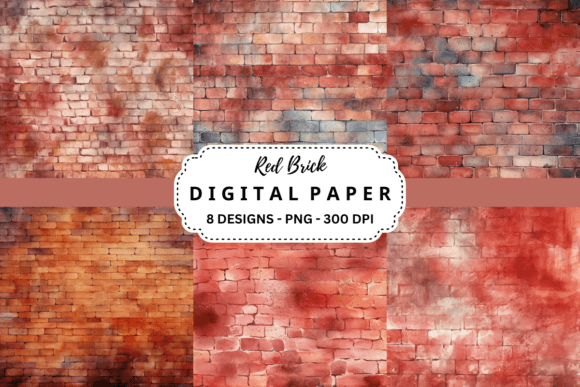
There's a certain honesty to a red brick wall. It's a texture that feels grounded, sturdy, and full of history. In the digital world, finding that kind of authentic, tactile quality can be a challenge. That's precisely where a high-quality set of Red Brick Backgrounds becomes an indispensable part of your design toolkit. This isn't just a collection of random images; it's a curated set of eight distinct, premium PNG files, each rendered at a massive 3600 x 3600 pixels and a crisp 300 DPI. This level of detail ensures your final product, whether it's a social media post or a printed poster, will look sharp and professional.
The appeal of these backgrounds lies in their versatility and inherent character. Each of the eight files captures a different facet of brickwork—some with clean, uniform lines, others with the charming irregularities and weathered patina of an old city wall. This variety allows you to match the exact mood you're aiming for. A clean, modern brick texture can lend a sense of industrial chic to a tech startup's branding, while a more rustic, mortar-heavy brick can evoke warmth and tradition for a local bakery or a craft brewery. The consistent high quality across the entire set means you can build a cohesive visual language for a brand without worrying about mismatched assets.
Practical Applications for Every Creative Project
The real value of any design asset is measured by how often you reach for it. These Red Brick Backgrounds are built for real-world use. For social media managers and content creators, they are a lifesaver. Imagine creating a series of Instagram story templates for a fashion brand; layering text and product shots over a gritty brick background adds instant depth and an urban edge. The large pixel dimensions mean you can crop in tightly on a section of the texture without losing quality, giving you even more compositional options for your social media graphics.
For entrepreneurs and small business owners, consistency is key to building brand identity. A red brick texture can become a signature element. Use it as the background for your logo mockups, on your website's hero section, or as the unifying element across your product packaging design. It communicates reliability and a no-nonsense attitude. Think of a coffee roaster using a dark, moody brick background on their labels and menu boards—it tells a story of craftsmanship and substance before the customer even takes a sip.
The applications extend far beyond the digital realm. For those in print-on-demand, the quality is paramount. These 300 DPI files are perfect for designing wrapping paper with a subtle, repeating pattern, creating unique invitations for an industrial-themed wedding, or producing eye-catching posters and banners for an event. Scrapbookers and crafters will find the textures add a beautiful, dimensional layer to their physical projects, transforming a simple page into a rich, tactile experience. The possibilities truly span from high-volume commercial printing to a single, personal craft project.
Integrating Texture into Your Design Strategy
Using a background texture effectively is about more than just placing it behind your content. It's a strategic decision that influences visual hierarchy and audience engagement. A strong brick texture can act as a powerful foundation, making foreground elements like typography and product images pop. When pairing fonts with a textured background like this, readability is your primary concern. A bold, clean sans serif font often works beautifully, as its simple letterforms won't compete with the visual complexity of the brick. Conversely, a classic serif font can create a compelling contrast, blending modern professionalism with a touch of timeless elegance.
Think of the texture as a supporting actor, not the star. It should enhance your message, not obscure it. This often means using techniques like adding a subtle color overlay or a semi-transparent gradient between the background and your text. This creates a "breathing room" that ensures your modern typography remains the focal point. For editorial design, like a magazine layout or a blog post header, a well-chosen brick background can set the entire tone, instantly signaling to the reader what kind of content to expect—be it edgy, rustic, or sophisticated.
When you download a set like this, you're not just getting eight images; you're getting a versatile design asset library. Take the time to explore each file. Notice the differences in color temperature, lighting, and wear. One might be perfect for a dark-mode web design, while another with warmer, sunlit tones could be ideal for an outdoor brand's marketing materials. This thoughtful selection process is what separates good design from great design. It’s about making intentional choices that align with the project's goals and the audience's expectations, ensuring every piece you create feels cohesive, professional, and resonant.